How to Style Your Hair for Long Hospital Shifts Without Damage

Working long hospital shifts means your hair has to hold up under pressure—literally. Tight hairstyles, long hours in PPE, and constant movement can strain your strands and scalp. But keeping your hair tidy and professional doesn’t have to come at the cost of breakage or discomfort. When seeking long hair tips for healthcare professionals, many find it challenging to achieve a style they find appealing. With the right techniques, you can style your hair for durability and health, making your shift smoother and your hair stronger.
Choose Loose, Low-Tension Styles
When you’re clocking in for a 12-hour shift, comfort should be your priority. Styles that pull too tightly, like high ponytails or overly tight buns, can cause tension headaches and even traction alopecia over time. Instead, go for low buns, loose braids, or soft twists that secure your hair without stressing the roots. These styles still look professional and stay put under scrubs or caps.
Use the Right Hair Accessories
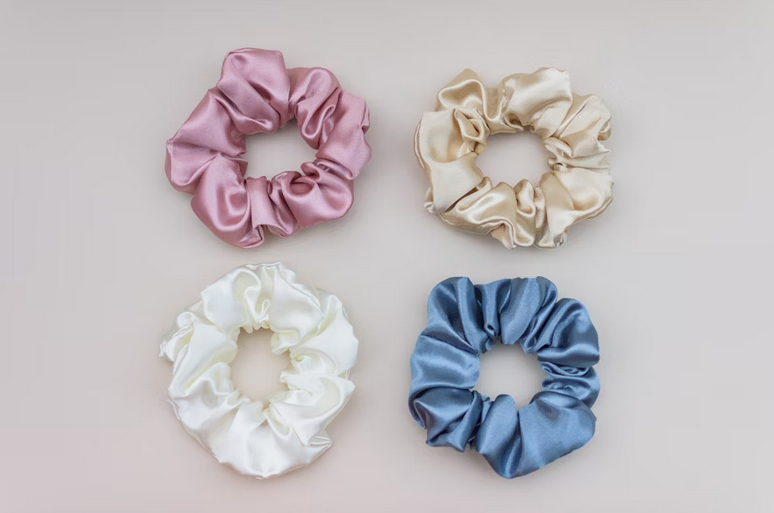
The wrong tools can do real damage. Avoid rubber bands and thin elastics that tug and break your hair. Swap them out for fabric-covered scrunchies, spiral ties, or large claw clips that distribute pressure more evenly. If you’re braiding or twisting, secure the ends with snag-free mini bands and skip any metal clasps.
Keep Your Hair Moisturized
Hospital air can be dry, and long shifts don’t help. Before styling, apply a lightweight leave-in conditioner or hair oil to keep your strands moisturized and less prone to friction damage. If you have natural or textured hair, using a protective style like box braids or flat twists with a bit of hydrating cream can keep your hair sealed and strong throughout the day.
Switch up Your Style Between Shifts

Wearing the same tight hairstyle daily can lead to repeated strain on the same areas of your scalp. Try rotating between a low bun, side braid, or tucked twist to give different sections of your hair a break. This not only prevents long-term damage but also lets you change up your look without adding effort.
Protect Your Edges and Hairline
Constant mask and cap wear can lead to friction at your edges. Be gentle when brushing around the hairline, and avoid using gels or sprays that dry out your edges during long wear. Wrapping a silk or satin scarf around your head before putting on a scrub cap can reduce friction and preserve your style and hair health.
Styling your hair for long hospital shifts doesn’t have to mean choosing between looking polished and keeping your hair healthy. By going with low-tension, moisture-friendly styles and using the right accessories, you can prevent damage and feel more comfortable during demanding hours. Adjustments to your routine can protect your hair while helping you show up to every shift with confidence and care.