How the Right Hairstyle Can Elevate Any Outfit

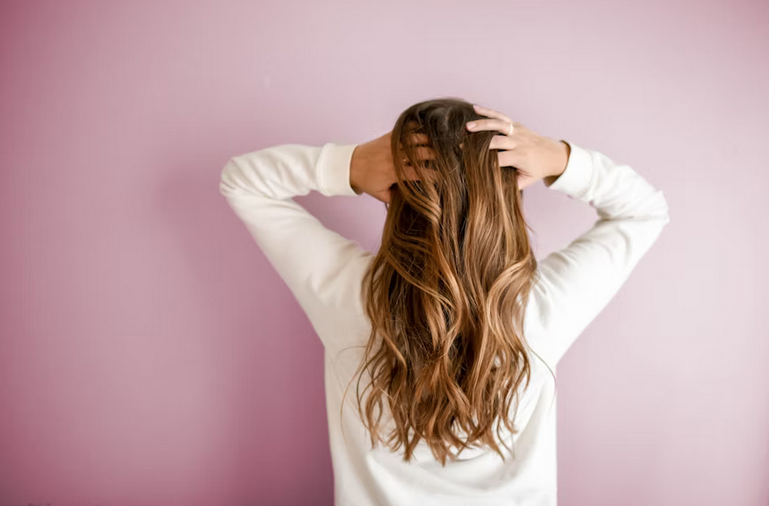
Ever thrown on a killer outfit only to feel like something’s off? It’s probably your hair. People don’t realize it, but your hairstyle can make or break the whole look. It’s like the frame around a painting—without it, the art doesn’t stand out the same way. Whether you’re heading to a casual brunch or a black-tie event, the right cut or updo can amplify your style.
Balanced Texture and Fabric
Imagine wearing a sleek satin dress with frizzy, unbrushed curls; this piece on getting daytime-ready in style will never approve of such a look. There’s a disconnect. Pairing soft waves with denim, on the other hand, feels effortless but still polished. Hair shouldn’t fight your clothes—it should support them. If your outfit is busy or patterned, clean lines in your hair can dial it down. Conversely, a basic tee and jeans can handle a bold braid or voluminous blowout. When your hair speaks the same language as your outfit, the whole thing feels intentional.
Color as a Style Companion
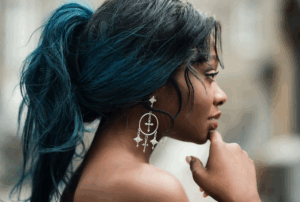 Hair color can do more than flatter your skin tone—it can sharpen your outfit’s impact. Think platinum hair with an all-black ensemble or deep brunette waves peeking through a cream turtleneck. Even subtle highlights can echo tones in your clothes and bring them all together. Matching doesn’t mean being too literal. A warm-toned caramel streak might pop against rust or olive.
Occasions That Call for Smart Styling
You wouldn’t wear flip-flops to a formal dinner, so why go with limp hair? Whether it’s a date, an interview, or a night out, your hairstyle tells people how much effort you’ve put in. A sleek bun says polished and prepared. Messy curls scream laid-back, and sometimes that’s exactly the mood. Matching your hairstyle with the setting gives off a subtle message: you get it. And that little bit of care often gets noticed more than you think.
Personality in the Details
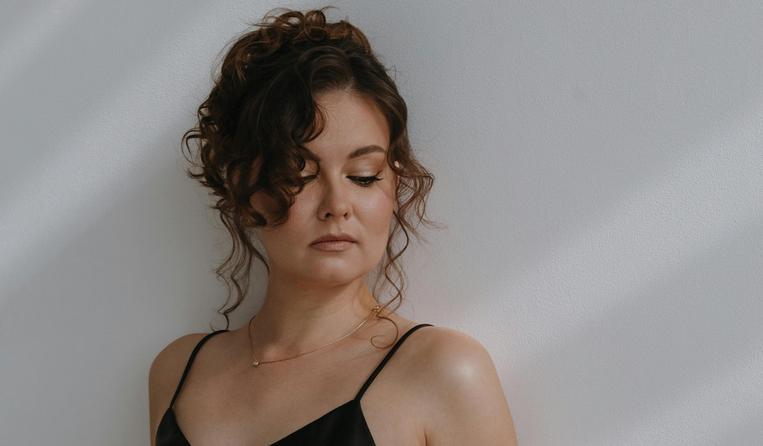
The truth? The best hairstyle is the one that feels like you. You can wear the most expensive outfit, but if your hair feels wrong, your confidence takes a hit. Add a quirky pin, twist in a braid, or let your natural texture fly—whatever fits your mood. Hair is the fastest way to express who you are without saying a word. And when it fits your outfit, it doesn’t just elevate it—it makes it unmistakably yours. No stylist in the world can fake that kind of harmony.
Clothes can talk, but hair brings the punctuation. It’s what people notice when you walk in and what they remember after you’ve gone. You don’t need ten products or an hour-long routine—just awareness and a little playfulness. Let your hair be your outfit’s secret weapon, not an afterthought. Try something new, tweak what’s familiar, and don’t be afraid to mess up once in a while. Because when the hair and the clothes are in sync, you don’t just look great—you feel it too.…